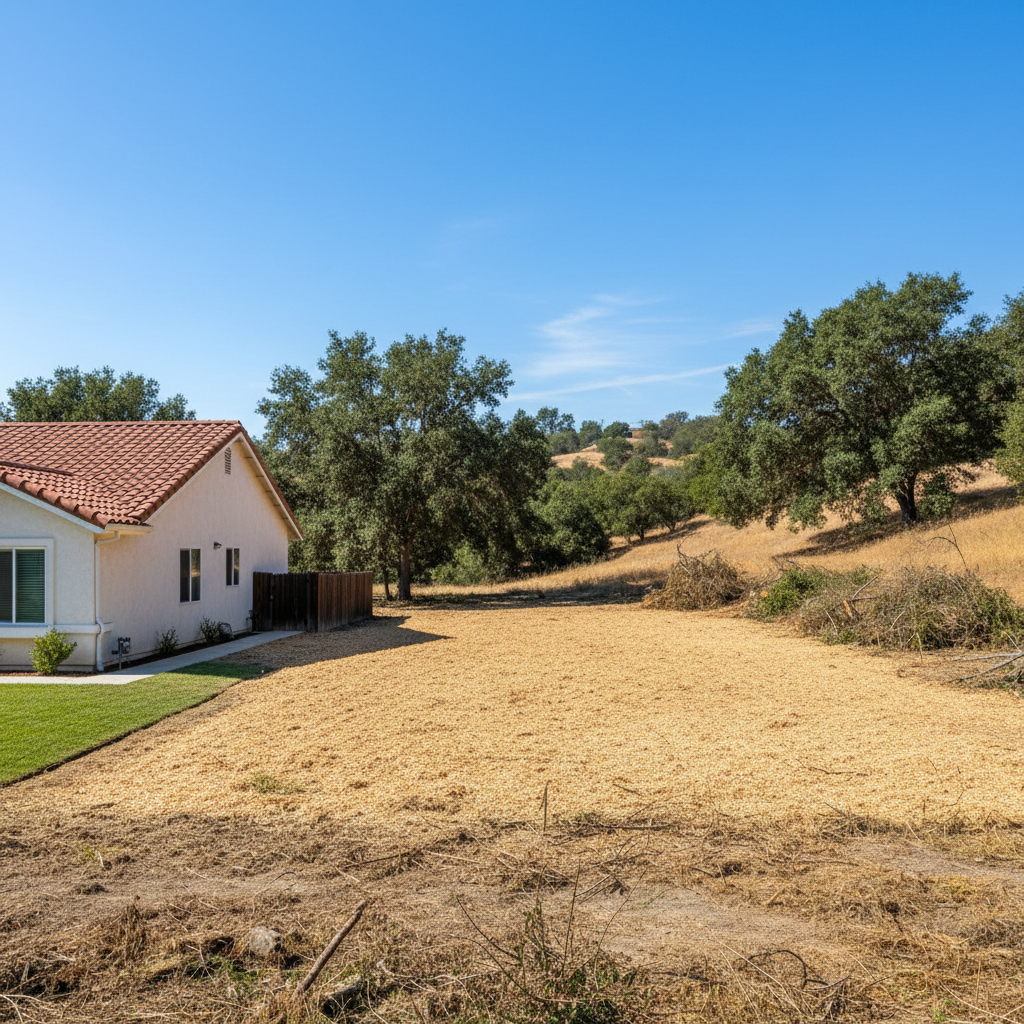
So, you've got a piece of land in Inglewood that needs clearing, huh? Maybe it's overgrown, maybe you're prepping for a new build, or maybe you just want to reclaim some space. Whatever the reason, getting it done right means thinking about when you do it. Here in Southern California, our weather isn't like most places, and that definitely affects tree and lot work.
When's the Best Time for Lot Clearing in Inglewood?
Honestly, the 'best' time often depends on what you're clearing and why. But generally, for heavy-duty lot clearing – we're talking removing a lot of trees, brush, and stumps – I usually tell folks to aim for the drier, cooler months. That means late fall through early spring is often ideal. Think November to April.
Why then? A few reasons. First, the ground tends to be firmer. We don't get the same kind of heavy, prolonged rains that make everything a muddy mess like they do up north, but even our winter showers can soften things up. Trying to bring in heavy equipment like excavators or stump grinders onto saturated soil is just asking for trouble. You risk compacting the soil, creating ruts, and just generally making a bigger mess than necessary. Plus, it's safer for my crew when the ground is stable.
Second, many plants, especially deciduous ones, are dormant during these months. This can make them a bit easier to handle, and there's less active growth to contend with. Also, you're less likely to disturb nesting birds or other wildlife that are more active during spring and summer. We're always mindful of the local wildlife, especially with the nesting season for many birds running from February through August. We don't want to accidentally mess with any protected species, so planning around that is just good practice.
Now, if it's just light brush clearing or removing a few smaller trees, you've got a bit more flexibility. But for anything substantial, those cooler, drier months are your friend.
How Does Our Weather Affect the Work?
Our Inglewood climate is pretty sweet most of the year, but it's got its quirks when it comes to lot clearing. Here's what I keep an eye on:
- Rain: As I mentioned, mud is a pain. It slows everything down, makes cleanup harder, and can damage the property. If we get a decent rain spell, we might need to postpone for a few days to let things dry out. It's not usually a huge issue here, but those El Niño years can definitely throw a wrench in things.
- Wind: This is a big one, especially if we're dealing with tall trees. High winds make felling trees incredibly dangerous. We're talking about unpredictable falls, potential damage to nearby structures, and serious safety risks for the crew. If the Santa Ana winds kick up, we're not going to be doing any major tree removal. It's just not worth the risk.
- Heat: Our summers can get brutal, especially inland a bit from the coast. Working in 90+ degree heat for hours on end is tough on equipment and even tougher on people. We can still work, but we have to take more breaks, hydrate constantly, and sometimes adjust hours to start earlier in the morning. It can slow down progress, so it's another reason why those cooler months are often preferred.
- Fire Season: This is a critical consideration. During peak fire season, especially when red flag warnings are in effect, any work that could create sparks – like grinding stumps or using chainsaws on dry material – becomes extremely risky. We take every precaution, but sometimes it's simply too dangerous to proceed. The last thing anyone wants is to accidentally start a brush fire in our community.
Protecting Your Investment Year-Round
Once your lot is cleared, you've put in the time and money, so you want to keep it that way, right? It's not just a one-and-done deal if you want to maintain a clean, safe space.
First, think about what you're doing with the land. If you're building, great. If it's going to stay a cleared lot for a while, you'll need a plan for regrowth. Our warm climate and occasional rains mean weeds and brush can pop up fast. Regular maintenance is key. This might mean:
- Periodic Mowing/Weed Whacking: Keep the new growth down. Don't let it get out of control again.
- Spot Treatment: For stubborn weeds or invasive species, you might need to address them directly.
- Drainage: Make sure water drains properly. You don't want standing water encouraging unwanted plant growth or creating erosion issues, especially in some of the flatter areas of Inglewood near the old wetlands.
- Future Planting: If you're planning to landscape, choose appropriate plants that won't quickly become overgrown or require constant, intensive clearing.
And if you've had trees removed, especially large ones, consider the long-term health of the soil. Removing trees changes the ecosystem, so you might need to amend the soil or plan for new plantings to prevent erosion or nutrient depletion.
At Oasis Tree, we've seen it all when it comes to Inglewood lots. We know the local conditions, and we're here to help you make smart decisions about your property. Don't hesitate to give us a call if you've got questions about your specific lot clearing project. Getting the timing right can save you a lot of headaches and money down the road.