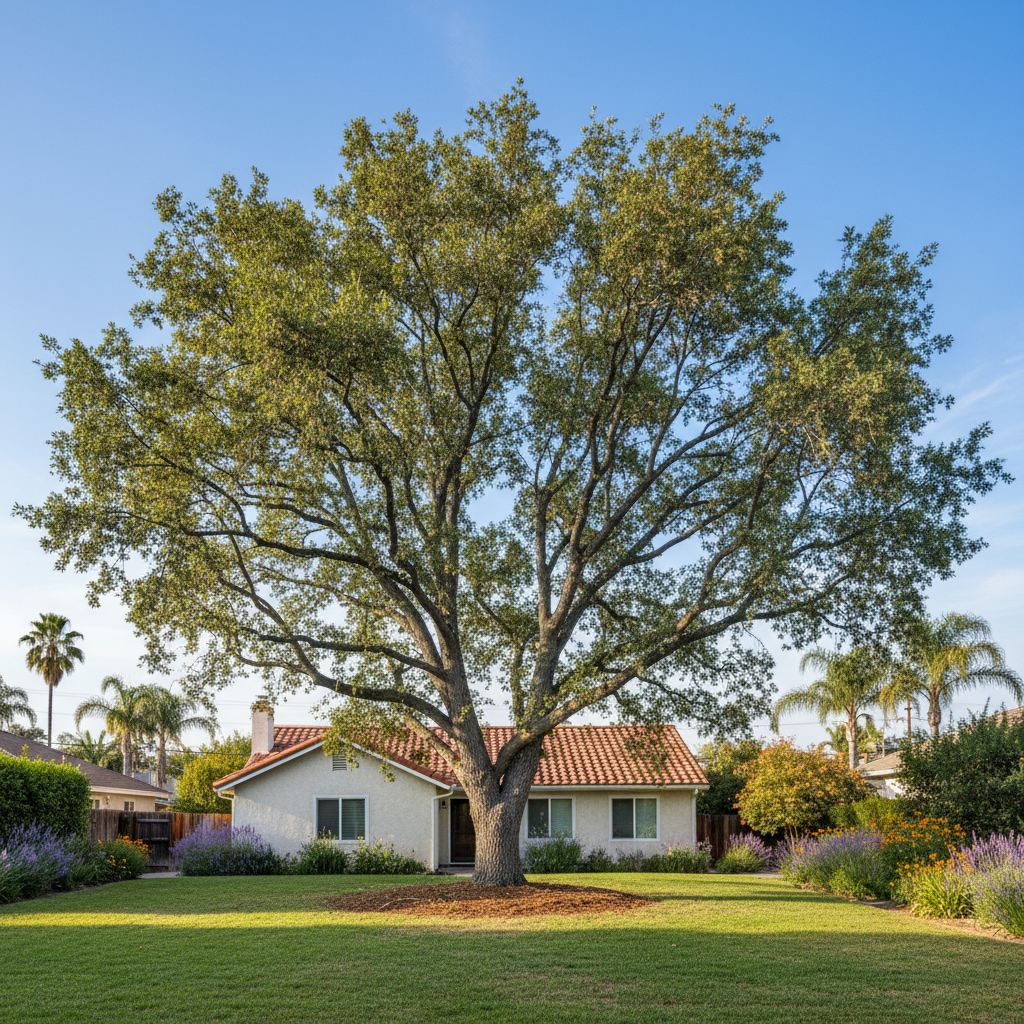
You've invested in your property, and those trees? They're a big part of its value and beauty. But keeping them healthy year-round in our Inglewood climate isn't always straightforward. We don't get four distinct seasons like back east, so understanding when to do what can be tricky.
I've been working with trees here for years, and I've seen firsthand what works and what doesn't. It's not just about cutting branches; it's about understanding the tree's life cycle and how our specific weather patterns affect it.
Spring: Waking Up & Growth Spurts
When spring rolls around, usually from March through May, our trees really start to wake up. You'll see new leaves, flowers, and a burst of growth. This is a critical time for feeding and checking for pests.
- Fertilization: If your trees didn't get a good feeding in late winter, spring is your last chance before the summer heat. A slow-release fertilizer can give them the nutrients they need to push out strong new growth.
- Pest & Disease Check: Keep an eye out for aphids, scale, or powdery mildew. These guys love new, tender growth. Catching them early can save you a lot of headache later. Look closely at the undersides of leaves and new shoots.
- Light Pruning: You can do some light shaping or remove dead/diseased branches now, but save any major structural pruning for later in the year. You don't want to stress the tree too much while it's putting all its energy into new growth.
Summer: Heat & Hydration
Our Inglewood summers are long, hot, and dry. Think June through September, sometimes even into October. This is when trees really need your help to stay hydrated and avoid stress.
- Deep Watering: Forget daily sprinkles. Your trees need deep, infrequent watering. I'm talking about letting the hose trickle for a few hours around the drip line, once or twice a week, depending on the tree's age and type. This encourages roots to grow deeper, making the tree more drought-resilient. Especially important for those older trees in areas like the Morningside Park neighborhood, where the soil can get really compacted and dry out quickly.
- Mulching: A good layer of mulch (2-4 inches, kept away from the trunk) is a game-changer. It holds moisture in the soil, keeps roots cooler, and suppresses weeds.
- Monitor for Stress: Look for wilting leaves, yellowing, or branches dying back. These are all signs your tree might be struggling with the heat or lack of water.
Fall: Recovery & Preparation
As our temperatures start to drop a bit in October and November, trees use this time to recover from summer and prepare for winter. This is often the best time for more significant work.
- Major Pruning: This is prime time for structural pruning, removing larger dead or crossing branches, and shaping. The tree is going dormant, so it's less stressed by cuts, and you can see the branch structure clearly without all the leaves.
- Soil Amendments: If your soil needs improvement, fall is a good time to add compost or other organic matter. It'll break down over winter and be ready for spring growth.
- Planting: If you're thinking about adding new trees, fall is ideal. The cooler weather and winter rains give young trees a chance to establish their root systems before the next summer's heat.
Winter: Dormancy & Planning
Our winters are mild, usually December through February, but trees still go into a period of dormancy. This is a great time for maintenance and planning.
- Dormant Pruning: You can still do pruning in winter, especially for deciduous trees. It's easy to see the branch structure, and the tree is less susceptible to pests and diseases entering fresh cuts.
- Tool Maintenance: If you do your own light pruning, sharpen your tools. Clean cuts heal faster and are healthier for the tree.
- Arborist Consult: Winter is a good time to have a professional like us at Oasis Tree come out for a full assessment. We can spot potential issues that might be hidden by foliage in other seasons and help you plan for the year ahead. Maybe there's a big branch over your house that needs attention, or you're worried about a tree's overall health. It's easier to schedule and assess when trees are bare or less active.
Taking a seasonal approach to tree care means you're working with your trees, not against them. It's about understanding their needs throughout the year and responding to what our unique Inglewood climate throws at us. A little attention now can prevent big problems down the road and keep your trees looking great for years to come.