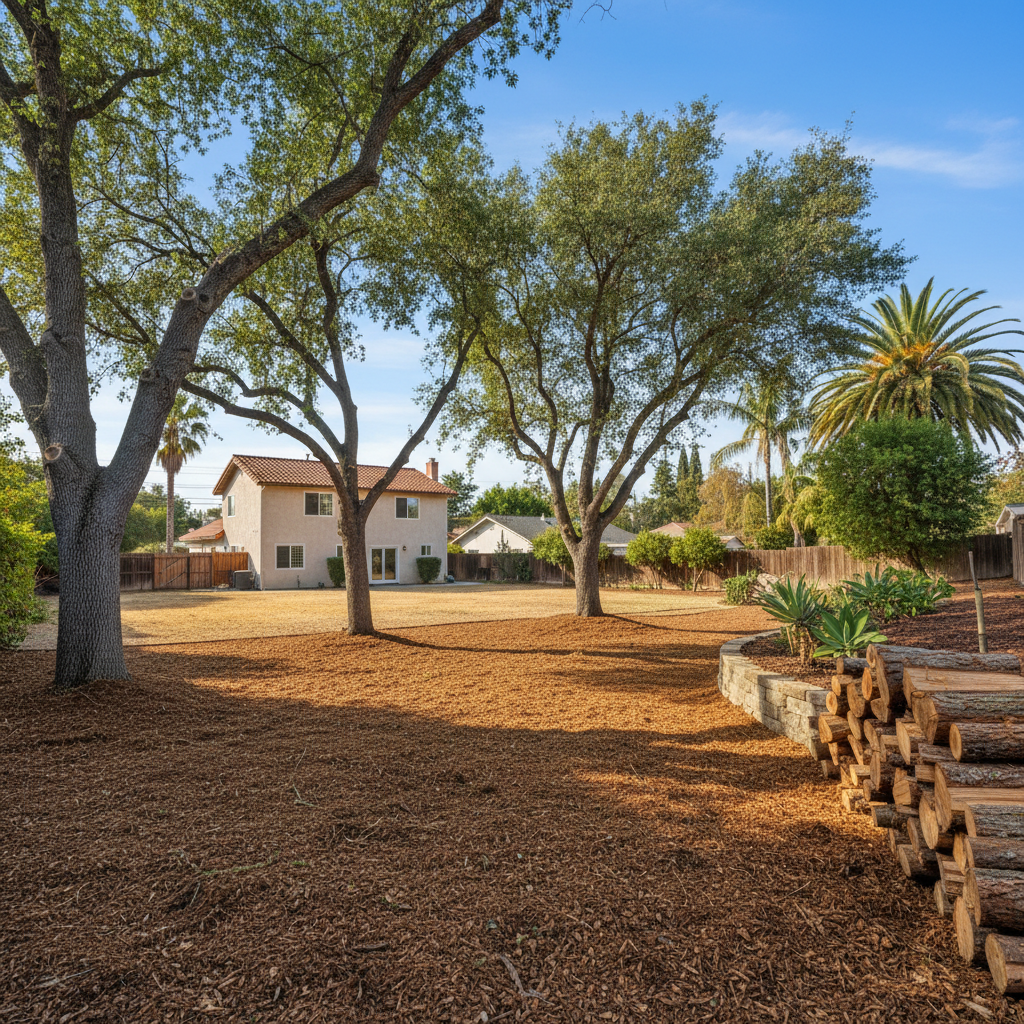
So, you just had your trees trimmed. Maybe you cleaned up some overgrown branches, removed a few hazards, or just shaped things up for better curb appeal. That's great! But here's the thing: tree trimming isn't a one-and-done deal. It's an investment, and like any good investment, you want to make it last. You want those trees to stay healthy and looking good for as long as possible.
I've been working with trees here in Inglewood for years, and I've seen firsthand what makes a difference in keeping them thriving. It's all about smart, consistent care.
Extending the Life of Your Tree Trimming Work
When we trim a tree, we're not just cutting branches; we're setting it up for future growth. To make that work last, you've got to think about what happens next. The biggest thing is proper watering, especially after a significant trim. Trees use a lot of energy to heal those cuts and push out new growth. Here in Southern California, with our long, dry summers, that means deep, infrequent watering is key. Don't just sprinkle the surface; get that water down into the root zone. For younger trees or those that had a lot removed, a good deep soak once a week or every other week during dry spells can make a huge difference.
Mulching is another big one. A good layer of organic mulch (like wood chips) around the base of the tree, but not touching the trunk, does wonders. It helps retain soil moisture, keeps soil temperatures more consistent, and suppresses weeds that compete for water and nutrients. It's like putting a blanket on your tree's feet.
What Regular Tree Maintenance Looks Like
Beyond the professional trimming, regular maintenance is mostly about observation and some simple tasks. You don't need to be a arborist to spot potential issues. Walk around your property once a month, especially after a windy day or a rain shower. Look up at your trees. What do you see?
- Clear the base: Keep weeds and grass from growing right up against the trunk. This prevents moisture buildup and pest habitats.
- Check for crossing branches: Sometimes new growth will start rubbing against another branch. If you can catch these early, a small snip can prevent a bigger problem down the line.
- Look for suckers and watersprouts: These are those fast-growing, often vertical shoots that pop up from the base or along branches. They're usually weak and just suck energy from the main tree. You can often snap or prune these off yourself when they're small.
- Keep an eye on irrigation: Make sure sprinklers aren't constantly hitting the trunk or lower branches, which can lead to fungal issues.
Our Inglewood soil, especially in some of the older neighborhoods with a lot of clay content, can sometimes compact. That makes it harder for roots to get water and air. Mulching helps, but sometimes a little soil aeration around the drip line can be beneficial too.
Warning Signs of Problems
Your trees will tell you when something's wrong, you just have to know what to look for. Don't ignore these signals:
- Dead or dying branches: If a branch doesn't leaf out in spring, or its leaves turn brown and brittle while the rest of the tree is green, it's likely dead. These are hazards and need to go.
- Cracks or splits in the trunk or major limbs: These can indicate structural weakness and are serious.
- Excessive leaf drop or discoloration: Beyond normal seasonal changes, this can signal disease, pest infestation, or water stress.
- Fungus or mushrooms growing on the trunk or branches: This often means decay is happening inside the tree.
- Sawdust or small holes in the bark: These are classic signs of boring insects.
- Branches rubbing against your house or power lines: This is a safety issue and can damage your property or cause power outages.
If you see any of these, don't wait. A small problem can quickly become a big, expensive one.
When to Call a Professional
You can handle the small stuff, like removing suckers or tiny crossing branches. But for anything bigger, or if you're unsure, it's always best to call in the pros. Here's when you definitely need someone like us at Oasis Tree:
- Large branch removal: Anything that requires a ladder, a chainsaw, or is too heavy for you to handle safely.
- Branches near power lines: Never, ever try to trim these yourself. It's incredibly dangerous.
- Signs of disease or pests: We can diagnose the problem and recommend treatment or removal.
- Structural issues: Cracks, splits, or leaning trees need expert assessment.
- If you're unsure: Better safe than sorry. A quick call can save you a lot of headache and potentially a lot of money down the road.
- Routine maintenance trimming: Every 2-5 years, depending on the tree species and its growth rate, your trees will benefit from professional shaping and thinning to maintain health and structure.
Taking care of your trees doesn't have to be a huge chore. A little attention goes a long way in keeping them healthy, safe, and looking great for years. It's all part of being a responsible homeowner here in Inglewood.